Worth The Watch? The Unfiltered Breakdown Of If Wishes Could Kill

Netflix is marketing its new young adult supernatural thriller If Wishes Could Kill as a revolutionary milestone in streaming horror. But if you have spent any time tracking traditional East Asian tech-horror cinema over the last two decades, this setup will feel deeply familiar. It borrows heavily from the classic foundations of formulas like Death Note and Ring, blending high school social toxicity with a dark psychological curse.
Despite the familiar framework, the series delivers a stark, cold visual layout that matches a high-end minimalist magazine. Here is our direct analysis of the wins, the fails, and the major plot holes viewers are discussing online.
What is the Girigo App About?
The core engine of the entire series is the mysterious Girigo mobile application. It functions as an emotional, supernatural wish-granting tool with a fatal catch. To activate it, a user must record a selfie video detailing their exact desire while displaying their face, name, and birthdate in the frame.
Once the video is uploaded, the app genuinely fulfills the wish in real life. However, the moment the wish is granted, a terrifying twenty-four-hour countdown timer triggers on the user’s phone. If the timer hits zero, the user dies a gruesome, violent death. The only way to stop your personal clock is to pass the curse down the line by forcing someone else to log a brand-new wish, turning the software into a continuous chain letter of absolute desperation.
The Wins: What Makes the Series Work
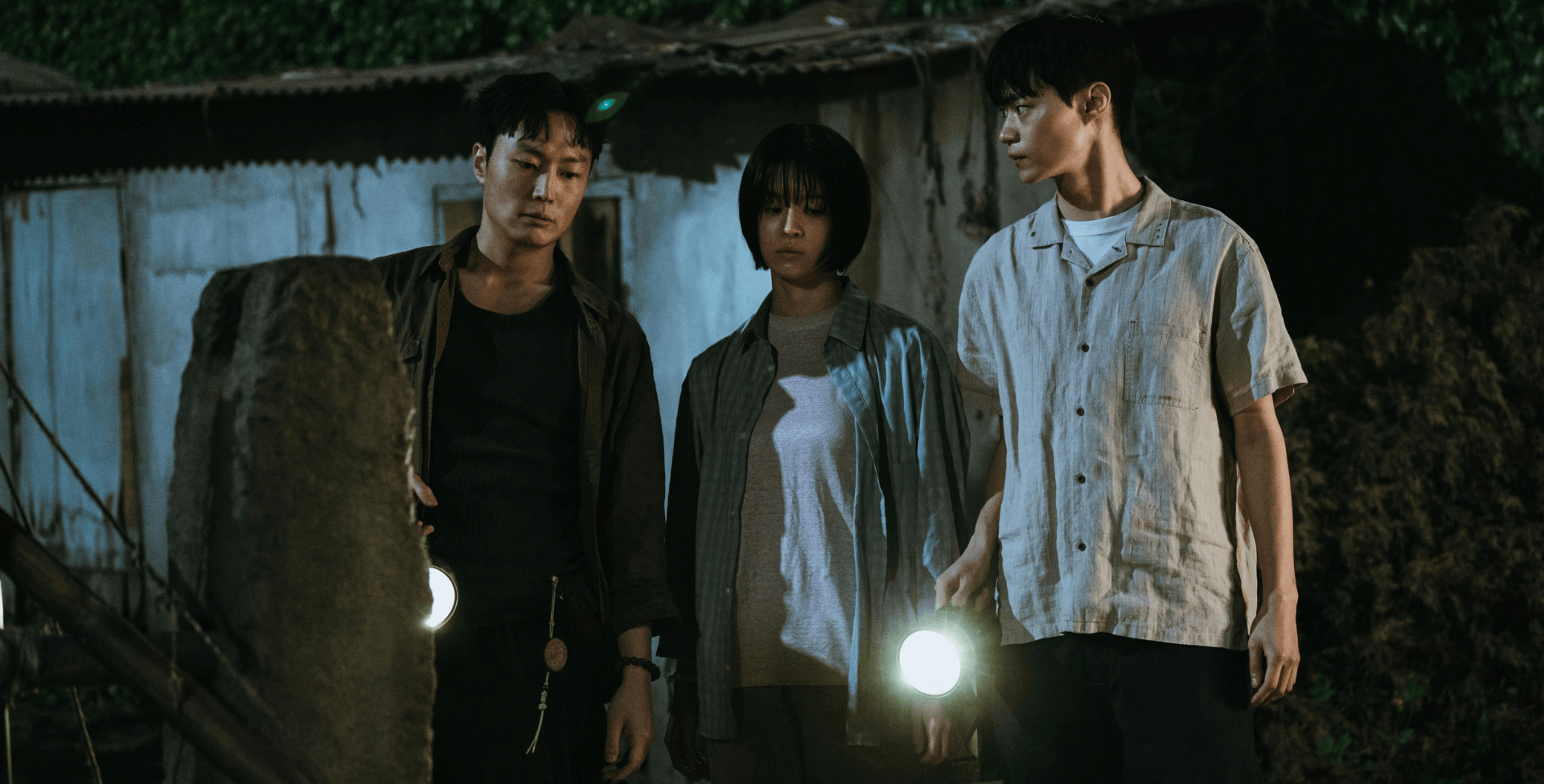
The primary triumph of If Wishes Could Kill lies in its atmosphere and pacing. The show avoids the cheap jump scares common in Western horror, relying instead on a slow, mounting sense of dread as the twenty-four-hour timers tick down. The cinematography uses tight, claustrophobic camera angles inside the school hallways, perfectly capturing the isolation of the characters.
Another massive win is the introduction of traditional folklore through the shaman sister subplot. The contrast between ancient spiritual cleansing rituals and modern smartphone technology creates a highly compelling thematic dynamic. The performances from the young adult cast are intense and grounded, making the high-stakes panic feel entirely real even when the scenario becomes absurd.
The Fails: Where the Structure Stumbles
Where the series falls short is its reliance on predictable teenage drama cliches. The first half of the season spends a significant amount of time sorting through high school social hierarchies and romantic jealousy, which drastically slows down the momentum of the supernatural mystery.
Furthermore, the show frequently relies on characters making incredibly irrational decisions just to force a confrontation or advance the plot. Because the writing is so intent on maintaining a rapid survival pace, it leaves very little room for quiet, organic world-building, making the overarching lore feel secondary to the immediate shock value of the countdown deaths.
The Plot Holes: Unanswered Rules and Logic Gaps
Online discussion circles have identified massive logical flaws in the structural rules of the Girigo app. The most glaring plot hole is the complete lack of real-world institutional or parental intervention. As multiple high school students suddenly go missing or die under highly bizarre, violent circumstances within days of each other, the school administration and local police remain completely useless, treating the incidents like isolated student runaways.
Additionally, the exact parameters of how the curse selects its physical manifestations are never cleanly established. The app’s original creator, Si-won, seemingly possesses the power to manipulate physical reality and digital networks simultaneously, yet the script fails to explain the concrete link between Si-won’s original red phone and the global server architecture. Characters pass the curse around through loopholes that contradict the app’s own previously stated boundaries, leaving viewers frustrated by the inconsistent logic.
The StreamTheoryHQ Verdict
Is this series one of its kind? Absolutely not. It walks the exact same paths as dozens of previous Asian and Korean horror formats. However, the intense acting, the fascinating shaman subplots, and the stark visual presentation save it from being trash.
- Our Verdict: YES. It is worth the watch, but go into it expecting a polished, tense visual experience rather than a perfectly logical or groundbreaking script.